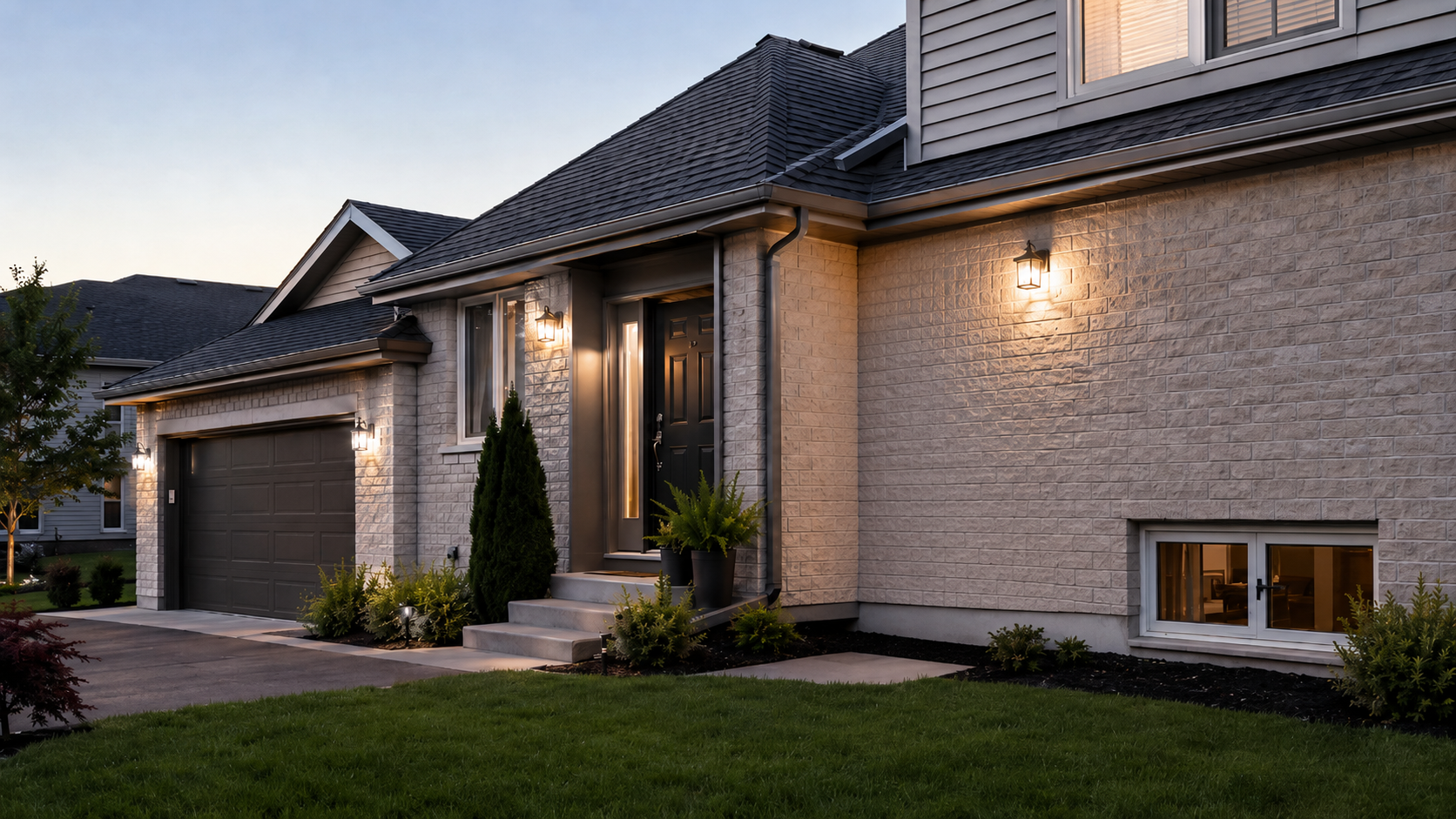
The most common entry points used by burglars are often the same openings homeowners use every day: exterior doors, patio doors, garage entrances, and accessible windows. A break-in does not always involve sophisticated tools or extensive planning. An intruder may simply look for an unlocked opening, weak door hardware, a damaged frame, or an area hidden from neighbours.
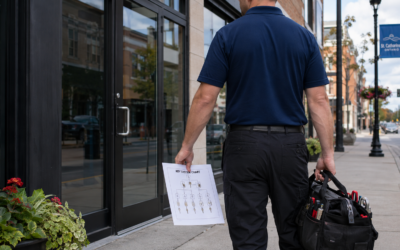
For homeowners in St. Catharines, Niagara Falls, Welland, and surrounding communities, identifying these vulnerable areas is an important part of home security. A professional Niagara Region locksmith can inspect the complete entry system—including the lock, strike plate, hinges, frame, glass, and door construction—to determine whether it provides dependable protection.
The Most Common Entry Points Used By Burglars
Front and Side Entrance Doors
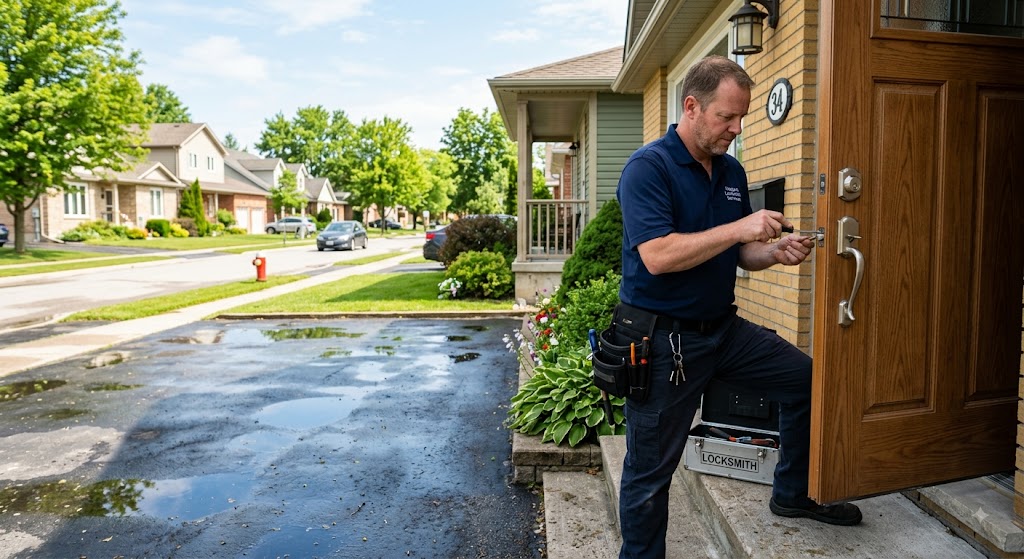
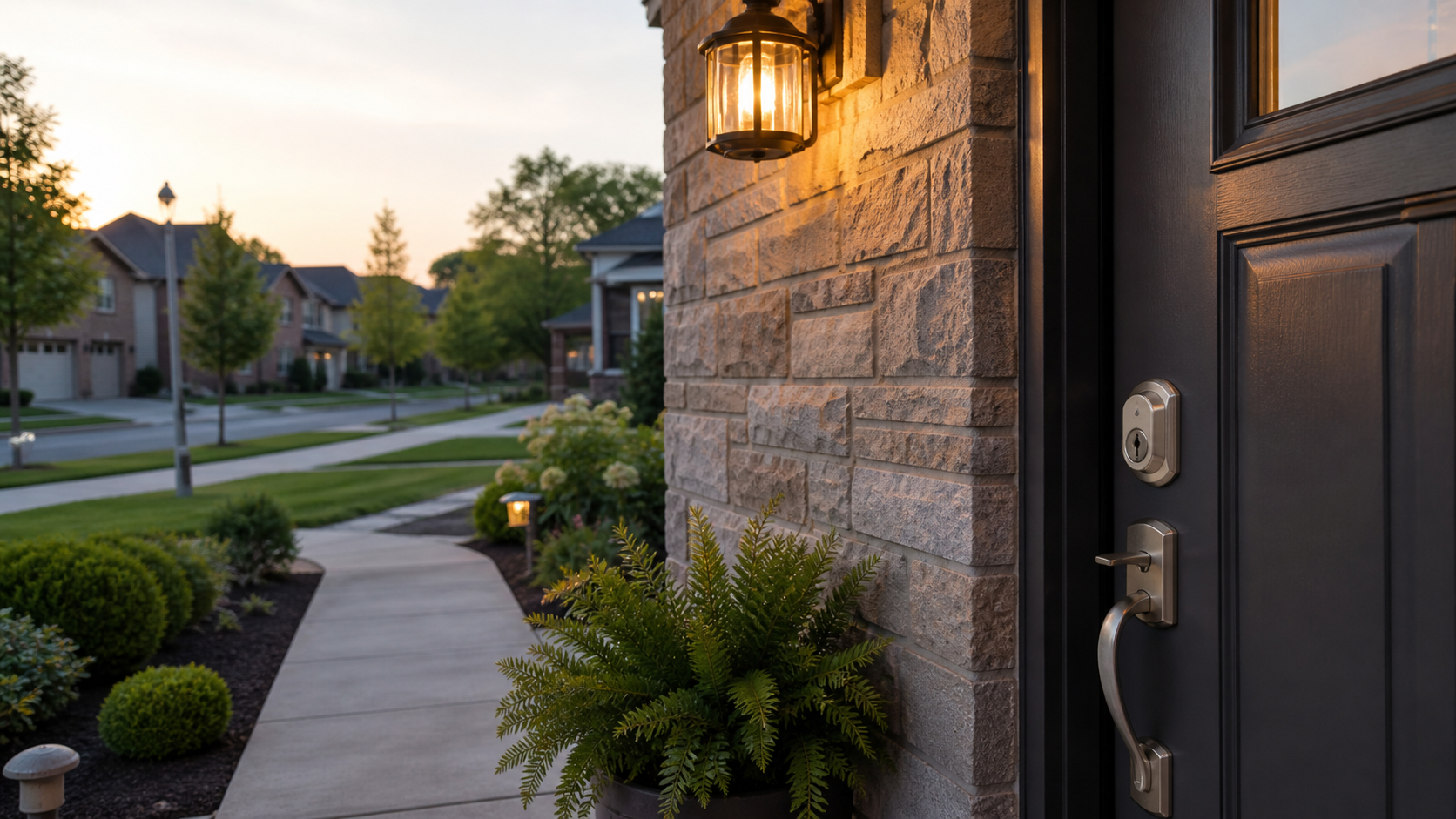
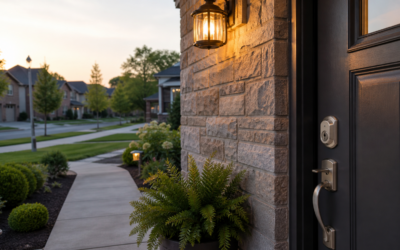
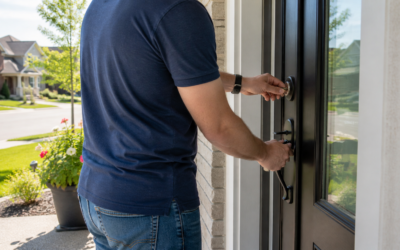
Front doors are highly visible, but that does not automatically make them secure. A door may look solid while still having an outdated lock, loose strike plate, shallow bolt opening, damaged frame, or poorly fitted latch. Side entrances can be even more vulnerable because they are often less visible from the street.
Homeowners should examine the entire door assembly rather than concentrating only on the lock cylinder. Even a quality deadbolt cannot provide its intended level of protection when it is installed on a weak door or deteriorating frame.
The Builders Hardware Manufacturers Association explains that residential deadbolts covered by ANSI/BHMA A156.40 are evaluated for security, durability, and finish. Actual performance can also be affected by installation quality, door construction, frame construction, maintenance, and environmental conditions.
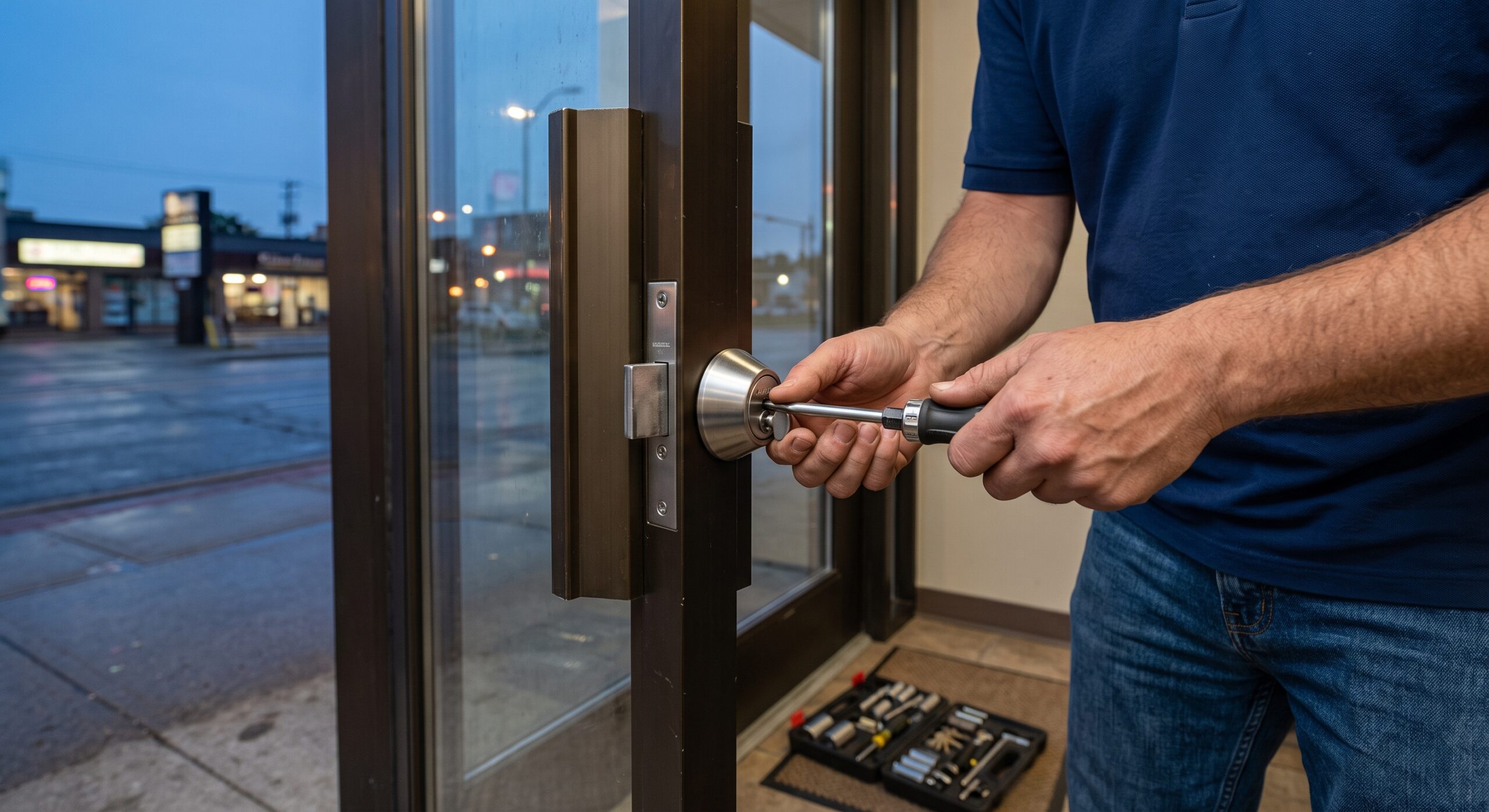
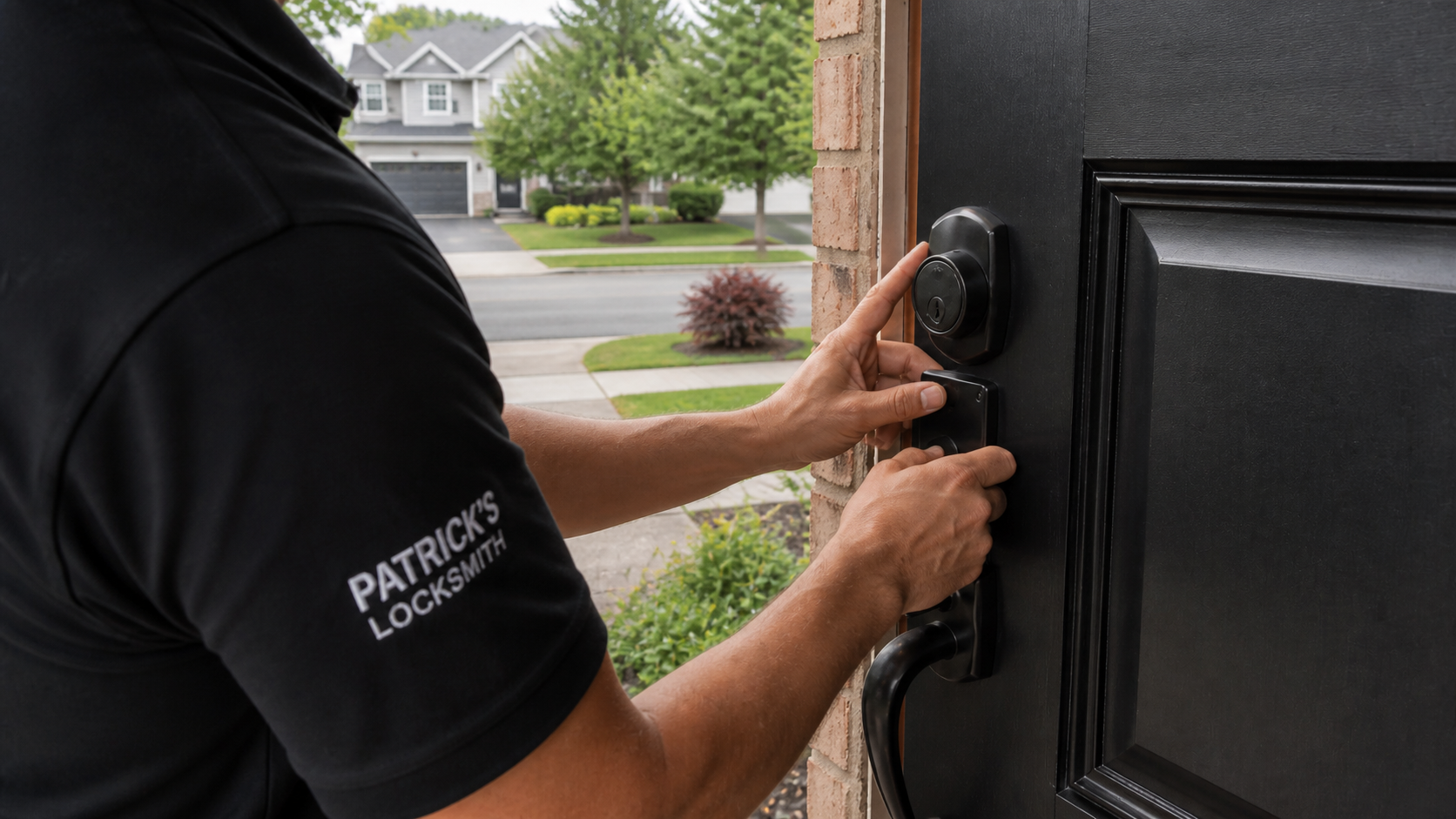
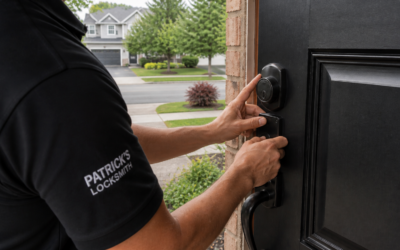
A qualified locksmith St. Catharines homeowners trust can check whether the bolt engages correctly, whether the door closes without excessive movement, and whether the existing hardware is appropriate for the application.
Rear Doors and Sliding Patio Doors
Rear entrances frequently receive less attention than front doors. They may be concealed by fences, sheds, landscaping, decks, or the shape of the building. These features can reduce natural visibility and give someone more time to examine an entrance without being noticed.
Sliding patio doors require particular attention because their locking mechanisms and tracks differ from those of standard hinged doors. Homeowners should check whether the door closes completely, whether its lock engages consistently, and whether the frame or track has become worn or misaligned.
Glass near a door should also be considered during a security assessment. Public Safety Canada identifies protective measures such as exterior lighting, security-grade window film, intrusion-detection systems, glass-break sensors, motion sensors, locking devices, and video surveillance as recognized forms of physical security enhancement.
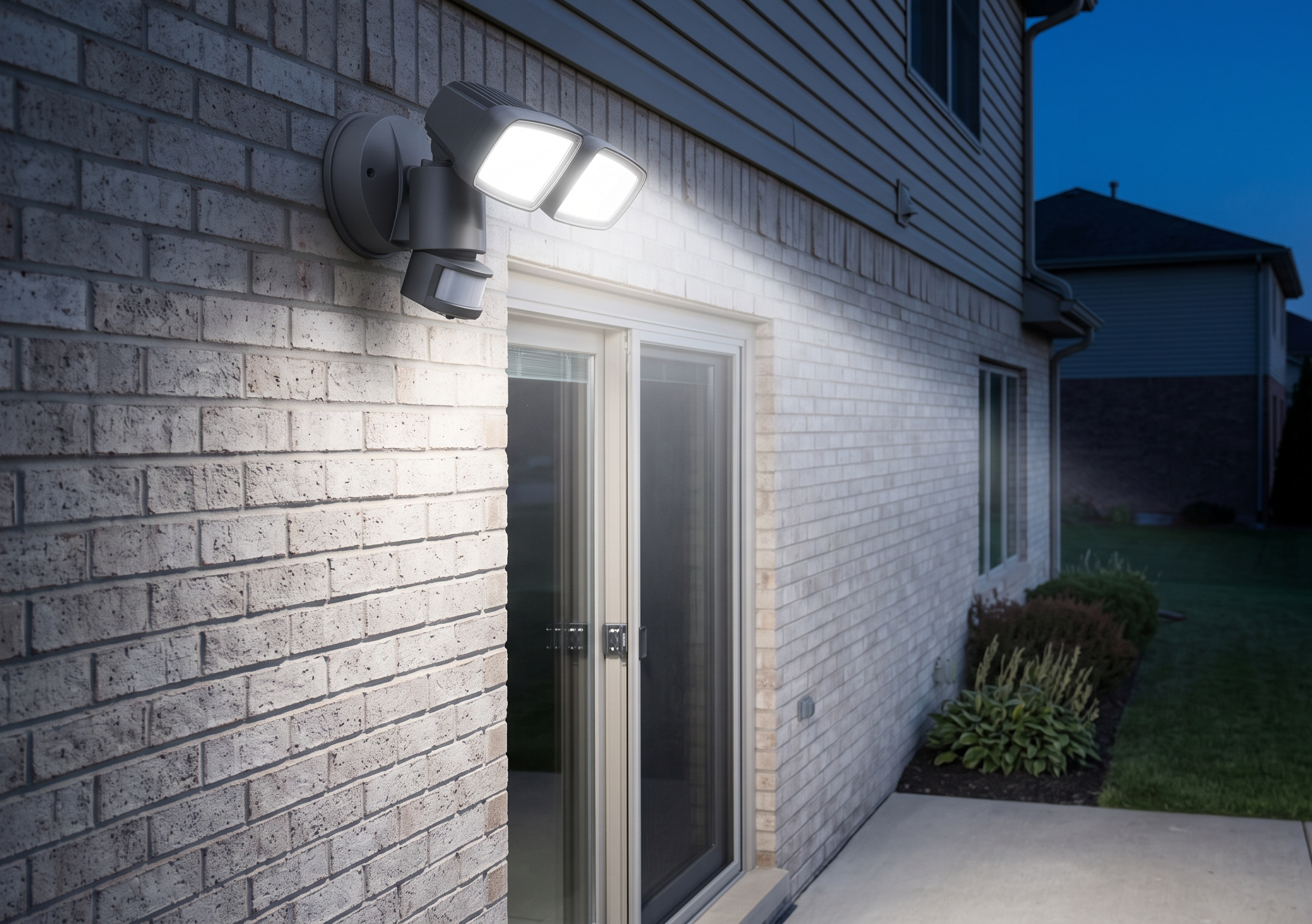
A layered approach is generally more effective than relying on one device. Reliable locking hardware, clear visibility, suitable lighting, and properly positioned detection equipment can work together as part of stronger home security Niagara Region residents can maintain.
Windows, Basements, and Garage Entrances
Ground-Level and Basement Windows
Windows at ground level or beside decks, porches, stairs, and low roofs deserve careful inspection. Basement windows can be especially easy to overlook because they may be located behind shrubs, window wells, or fences.
Check that every accessible window closes completely and that its locking mechanism operates correctly. Damaged catches, warped frames, loose hardware, and windows left partially open can all reduce security.
The Canadian Conservation Institute recommends additional protection for ground-level windows, including motion detection, glass-break detection, or security window film in appropriate applications. It also advises using security locking hardware on doors.
Homeowners should avoid permanently obstructing required escape openings. Any security improvement must also account for fire safety and the ability of occupants to leave the home during an emergency. Professional advice is particularly valuable when securing bedroom windows, basement living areas, and other possible escape routes.
Attached Garages and Interior Garage Doors
The garage is sometimes treated as separate from the home, but an attached garage may provide a route to an interior entrance. Garage side doors, exterior service doors, and the door connecting the garage to the house should all be included in a security inspection.
The connecting door should close properly, latch reliably, and remain locked when the garage is unattended. Remote controls and keys should not be left in an unlocked vehicle outside the home. Homeowners should also inspect garage windows and exterior doors for damaged locks or frames.
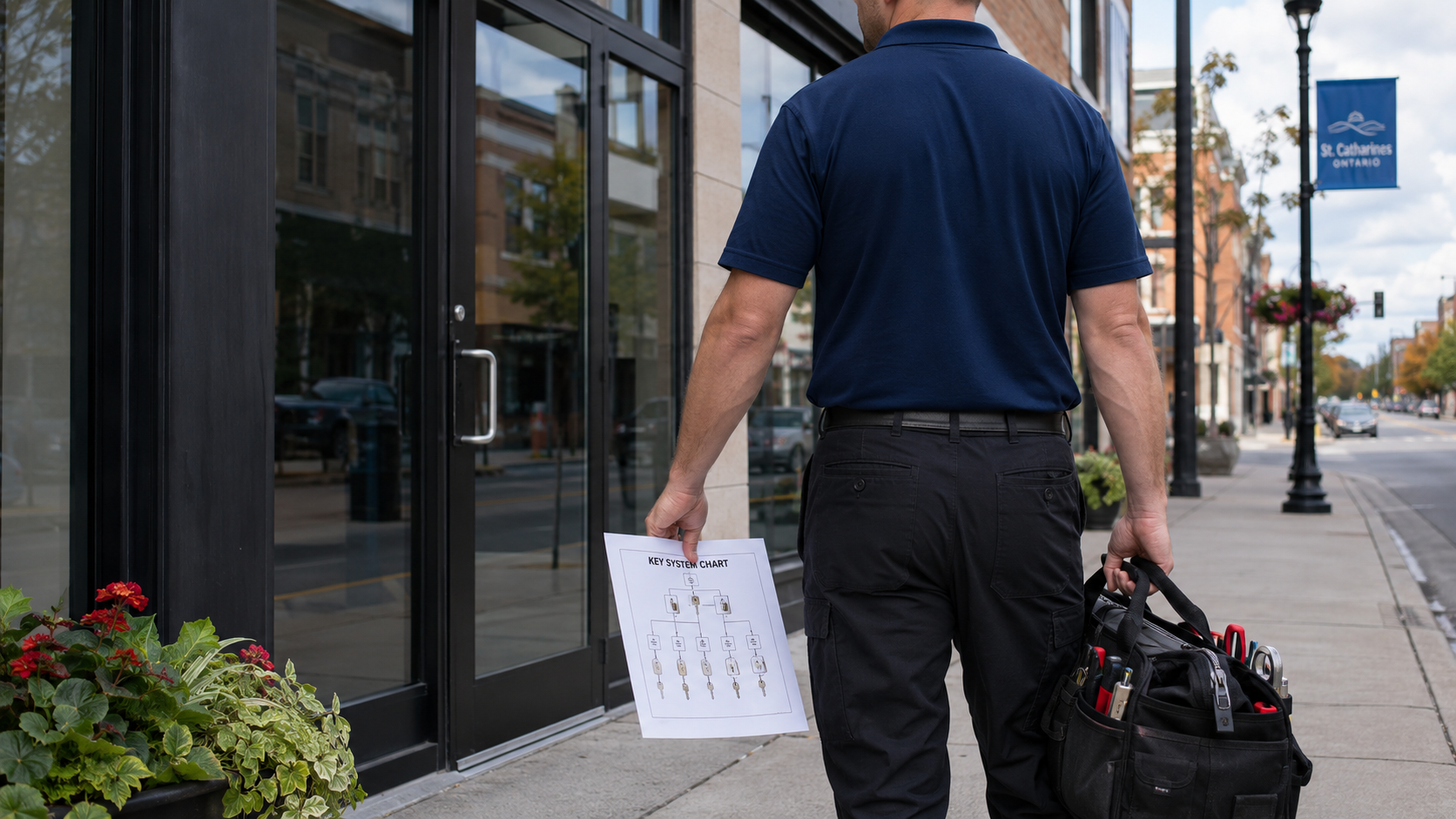
Residents who need a locksmith Niagara Falls service should ask for an assessment of every exterior opening rather than replacing only the most obvious front-door lock. The same applies to homeowners in Thorold, Welland, Fort Erie, and other Niagara communities.
How to Reduce the Risk of a Home Break-In
Effective home break-in prevention begins with consistent habits and properly installed hardware. Lock doors and accessible windows whenever the home is unoccupied, including during short trips. Do not hide spare keys near entrances, under decorative objects, or inside an unlocked garage.
Arrange for locks to be rekeyed or replaced after moving into a new home, losing a key, ending a tenancy, or discovering that an unauthorized person may have key access. A rekeying service changes which key operates the lock without necessarily replacing the complete lock assembly.
When new hardware is required, look for products tested to recognized residential standards. BHMA states that certified residential locksets and deadbolts are evaluated for security, durability, and finish. Its residential ratings help purchasers compare how products performed in these categories.
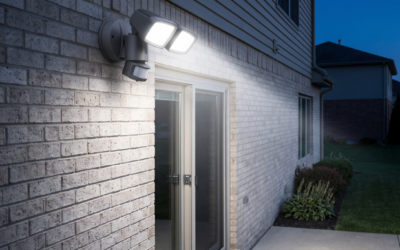
Outdoor lighting, trimmed landscaping, visible house numbers, alarms, cameras, and secure doors can form complementary layers of protection. The Ontario government identifies surveillance, monitoring systems, environmental design, and home alarm systems as examples of situational crime-prevention measures.
No product can guarantee that a break-in will never happen. However, correcting weak entry points can make unauthorized access more difficult and improve the overall security of the property.
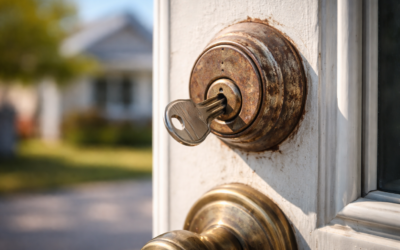
For urgent problems such as a damaged lock, attempted forced entry, or a door that will no longer secure properly, contact an emergency locksmith Niagara homeowners can reach promptly. Patrick’s Locksmith Service provides professional locksmith assistance throughout St. Catharines, Niagara Falls, Welland, and the wider Niagara Region.